Case “Forest Park Katon”: transformation of natural capital into an investment resource.
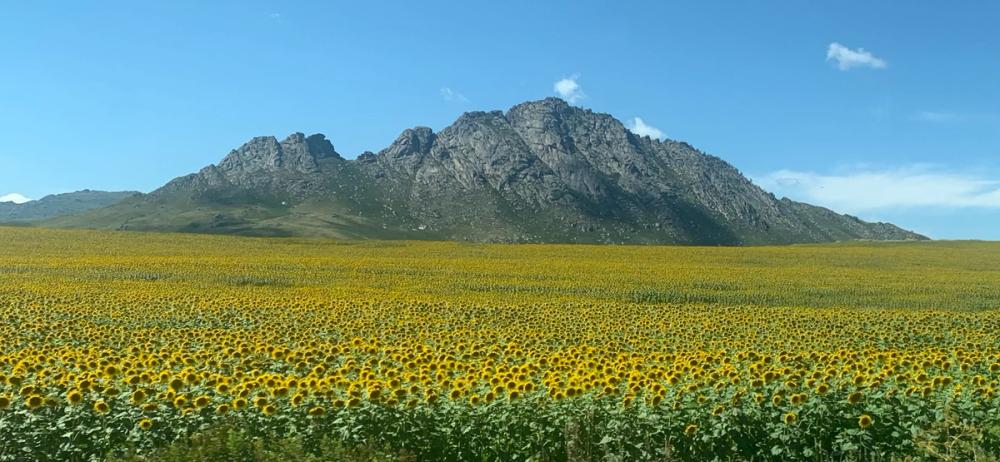
The Katon Forest Park project represents a key element of the Katon Green Belt strategy and is an instrument for transforming the border region into a sustainable bio-economic cluster. The initiative is based on the “Carbon Springboard” concept, where the generation of high-quality carbon credits (High-integrity credits) over an area of 300,000 hectares becomes the basic financial resource for further industrialization of the region. We consider environmental assets as an investment currency that allows us to convert natural capital into real socio-economic development and the construction of modern agro-industrial infrastructure. The applied methodology of improved forest management (IFM) ensures the scientific validity of each stage, forming a transparent and liquid basis for attracting international capital to climate projects in Kazakhstan.

Project goals:
Work on an area of 300,000 hectares (forests and pastures). Registration of projects according to ARR and IFM standards.
Using income from the sale of offsets to finance a local Agricultural Park.
Improving forest health and preventing land degradation.
Absorption technologies: synergy of ARR and IFM methods in Katon-Karagay.
As part of our Kato Green Belt implementation, we focus on two key methodologies—ARR and IFM—that address different challenges in natural capital management.
ARR methodology
ARR (Afforestation, Reforestation, and Revegetation) projects aim to create new forests on lands where there was previously no forest or were destroyed, thereby generating carbon units through the active absorption of CO2 by growing trees. The advantage of ARR is the high intensity of sequestration and the visual evidence of the environmental effect.
IFM methodology
In turn, the IFM (Improved Forest Management) methodology is focused on qualitatively improving the management of existing forests to prevent their degradation and increase biomass density. IFM ensures the preservation of established ecosystems and requires less capital investment at the start, allowing for monetization of careful treatment of mature forest resources.
Absorption technologies: synergy of ARR and IFM methods in Katon-Karagay.
The combination of these approaches in one cluster makes it possible to flexibly manage the territory, restoring degraded areas and at the same time protecting stable forests from deforestation or natural destruction.
From concept to implementation: the Cato Green Belt roadmap to 2026
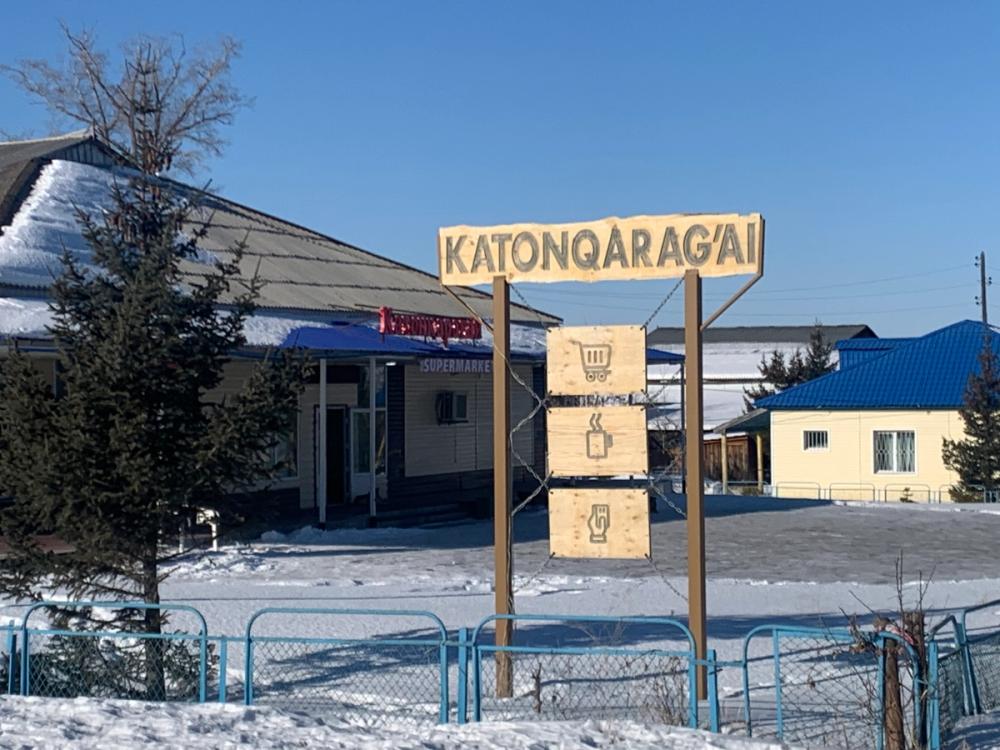
The implementation of the project began in February 2025 at the initiative of the Fund for Sustainable Development of the Katon-Karagay District. During the first year of work, we carried out an in-depth assessment of the natural potential and socio-economic profile of the region, which resulted in the Kato Green Belt concept. The “Carbon Springboard” strategy was chosen as the key financial mechanism for the development of the territory, which involves the generation of high-quality carbon units (High-integrity credits) for investment in industrial facilities of the region.
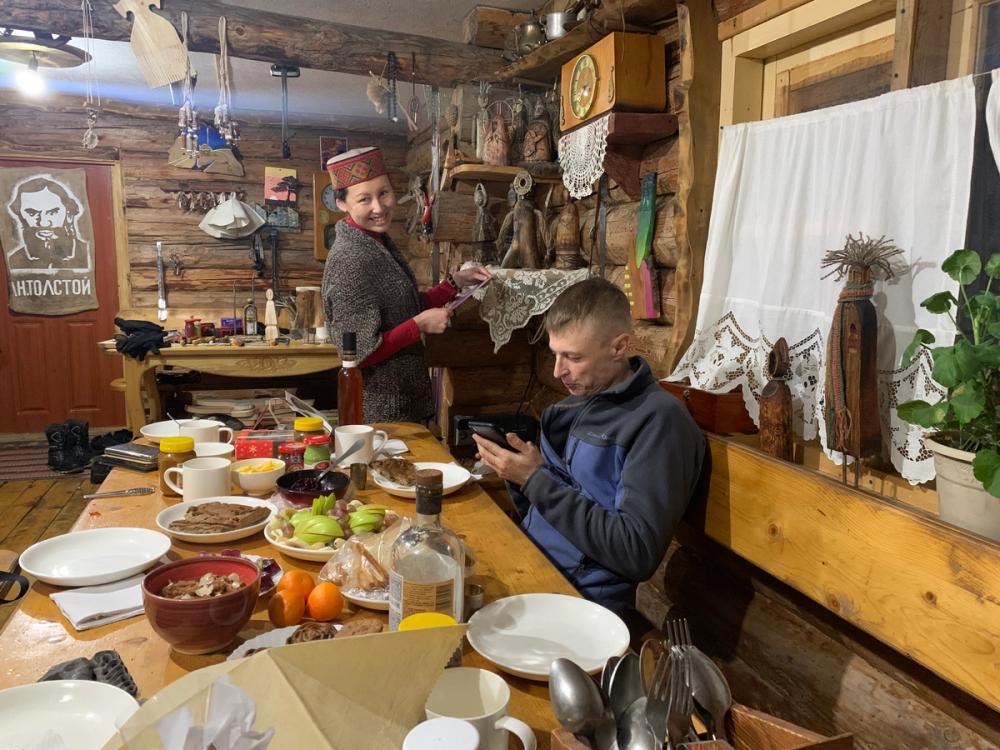
In 2026, the project enters an active phase, including mobilization of the local community, preparation of project documentation and registration in the national register “Zhasyl Damu”, as well as in the international systems Verra and Plan Vivo. An important technological milestone will be the introduction of AI tools for digital monitoring and reporting (dMRV). Based on these technologies, we are launching the Digital Rangers educational program and a public project website, which will create new high-tech jobs in the village of Katon-Karagai for young people specializing in digital support of carbon assets.